Brazilian Football Clubs Protest Betting Ban As Sponsorship Revenue Comes Under Threat
São Paulo and Flamengo joined a renewed campaign against Brazil's betting restrictions, with clubs warning of lost sponsorship revenue and growing illegal gambling activity.
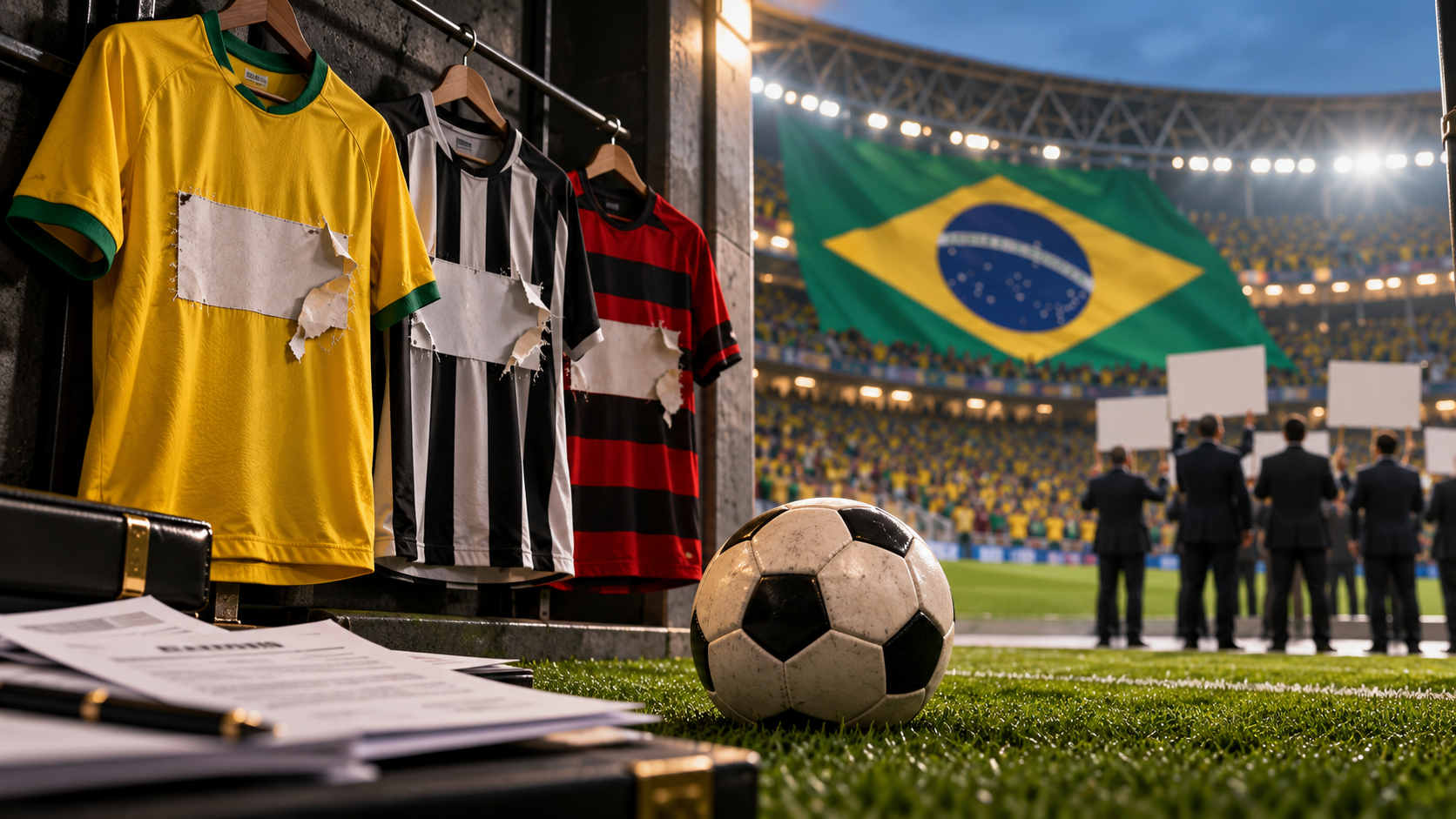
Brazilian football clubs staged further protests against the country's betting ban during the latest round of Série A fixtures, as concerns mounted over the financial consequences for clubs and the potential expansion of the illegal gambling market.
The demonstrations formed part of the "Prohibiting Is Not Protecting" campaign organised by the Brazilian Institute for Responsible Gaming (IBJR) and the National Association of Games and Lotteries (ANJL), which opposes Provisional Measure 1.394/2026.
During the weekend of 17–18 October, São Paulo and Flamengo displayed the campaign's message on their shirts, while advertising boards across ten Brazilian Championship matches carried slogans challenging the government's decision.
The protests followed the removal of betting sponsorship branding from several clubs' shirts, with industry representatives arguing that the restrictions threaten football finances without addressing the underlying demand for gambling.
São Paulo And Flamengo Back Betting Industry Campaign
São Paulo displayed the protest message during Saturday's fixture against Vasco da Gama, while Flamengo supported the initiative during Sunday's meeting with Bahia.
Stadium advertising boards also featured messages from the accompanying "I Bet You Didn't Know" campaign, including "Real Protection Starts With Rules", "Brazil Banned And The Illegal Market Invaded" and "Regulating Is Protecting".
The campaign was designed to highlight the potential consequences of prohibiting regulated betting, particularly the loss of consumer safeguards, tax revenue and mechanisms used to monitor suspicious betting activity.
IBJR CEO Carlos Lima argued that the restrictions had created opportunities for unlicensed gambling operators rather than eliminating betting demand.
“The ban did not make the demand for betting disappear. The ban opened space for the illegal market, removed protections for those who bet, and weakened the mechanisms for monitoring and combating the manipulation of sports results,” Lima said.
ANJL President Plínio Lemos Jorge also criticised the measure, warning that bettors remained exposed to illegal gambling websites operating outside Brazil's regulatory framework.
Betting Sponsorship Ban Leaves Clubs Facing Revenue Losses
The protests came amid significant disruption to Brazilian football sponsorship agreements, with betting companies previously occupying prominent positions on the shirts of numerous Série A clubs.
According to a survey reported by Poder360, seven of the 14 clubs that had betting operators as their main shirt sponsors played without replacement branding in the principal sponsorship position following the restrictions.
Bahia, Cruzeiro, Grêmio, Vitória, Palmeiras, Chapecoense and Atlético Mineiro were among those affected, while other clubs secured temporary commercial agreements or used the available space to promote supporter membership programmes.
The financial implications could be substantial. Research from Sports Value indicated that betting companies contributed approximately R$1.1 billion of the R$3.2 billion in marketing revenue generated by Brazil's 20 largest football clubs during 2025, representing around 34% of the total.
Corinthians and Santos were among the clubs introducing replacement sponsors, while Botafogo and Vasco promoted their respective membership programmes. São Paulo and Fluminense also replaced Superbet branding with Superscore.
The figures underline the importance of betting sponsorship to Brazilian football, although the eventual financial impact will depend on replacement agreements and the outcome of ongoing legal challenges.
Betting Associations Challenge Ban In Supreme Court
The IBJR and ANJL have challenged the provisional measure before Brazil's Supreme Federal Court (STF), seeking to suspend the restrictions while their legality is examined.
Several football clubs and broadcasting organisations have also pursued legal action, arguing that the measures interfere with existing commercial agreements and create uncertainty for the wider sports industry.
Flamengo previously attempted to secure an injunction against the restrictions, while other clubs have requested additional time to adjust their sponsorship arrangements.
The government's legal representatives have defended maintaining the measure, with the Attorney General's Office requesting further consideration of the issues before a final judicial decision.
Meanwhile, the IBJR and ANJL have continued arguing that a regulated betting market offers stronger safeguards against gambling harm, money laundering and match-fixing than an outright prohibition.
The weekend's demonstrations brought those concerns back into Brazilian football stadiums, increasing public visibility of the dispute as clubs, operators and industry associations await further developments in Congress and the Supreme Federal Court.