Foreign Worker Exclusion Orders Drive Surge in Singapore Gambling Bans
Heightened regulatory oversight and targeted harm-prevention policies push total self-exclusion and mandatory ban figures in the city-state past 450,000.
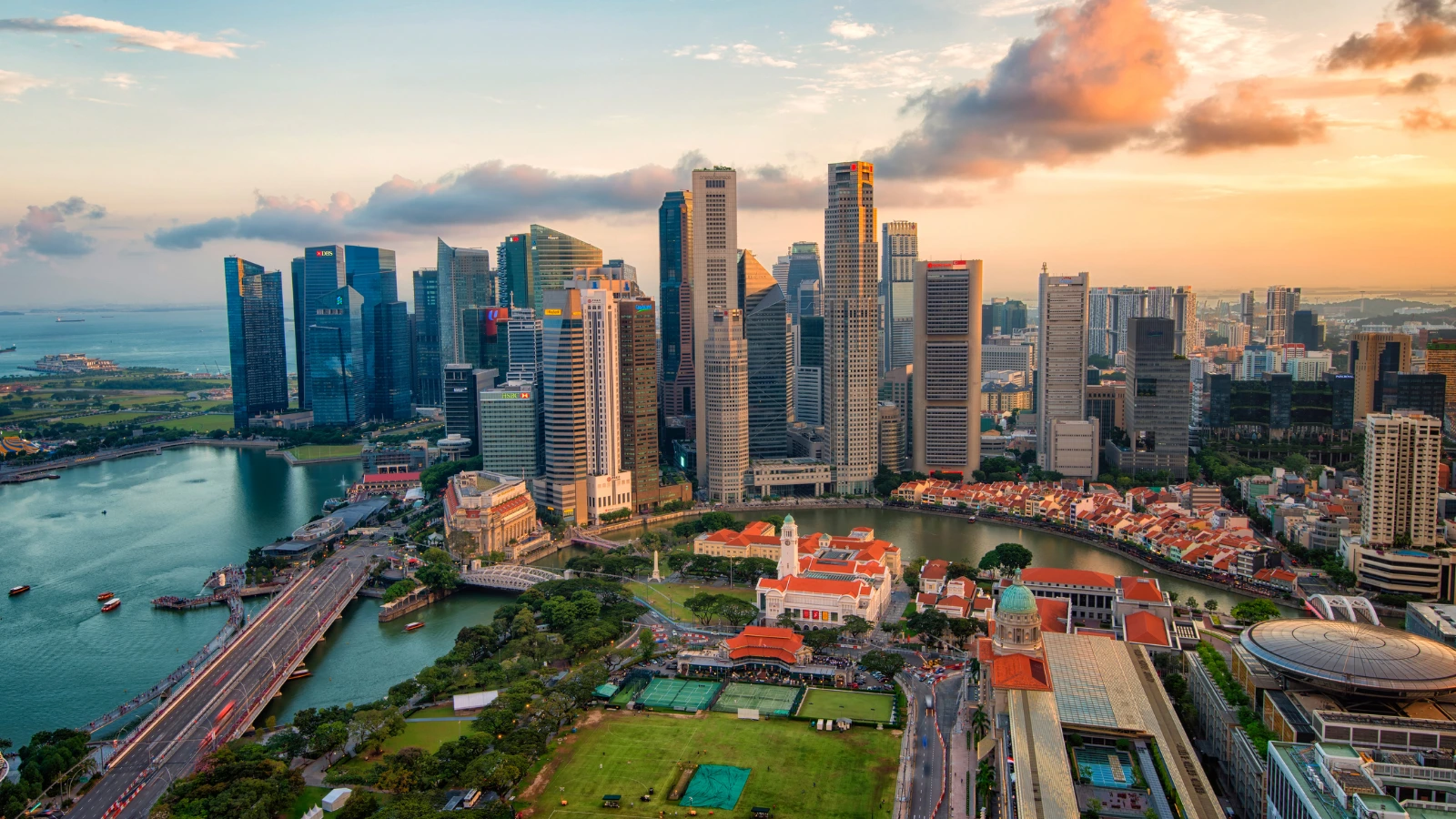
Singapore has recorded a sharp increase in the number of foreign workers excluded from gambling, with employers increasingly using exclusion measures as a preventative tool against gambling-related harm. Figures from the National Council on Problem Gambling (NCPG) show substantial growth in restrictions covering both online betting and land-based gaming activities.
Around 24,000 foreigners were excluded from Singapore Pools’ online betting services in 2024, compared with approximately 4,100 in 2022. The number excluded from jackpot machine rooms increased even more significantly over the same period, rising from around 5,100 to 28,000.
Employers Drive Increase In Gambling Exclusions
The increase does not necessarily indicate a comparable rise in problem gambling among Singapore’s foreign workforce. Employers are reportedly responsible for the majority of exclusions, having been given greater powers in 2022 to restrict workers from gambling activities beyond casinos.
NCPG chairman Sim Gim Guan said employers account for around two-thirds of casino exclusions involving foreign workers. Approximately 90% of excluded foreigners are work-permit holders, including migrant workers and migrant domestic workers, while an exclusion generally prevents participation in the relevant gambling activity for at least one year.
Foreigners are also treated differently from Singapore citizens and permanent residents when accessing the country's casinos. Unlike those groups, foreign visitors and workers are not required to pay the mandatory S$150 casino entry levy.
Financial Risks Prompt Employer Intervention
Employers have cited a range of financial and workplace problems associated with excessive gambling as reasons for using the exclusion system. Reported incidents have included workers borrowing money from colleagues, families seeking assistance with gambling debts and loan sharks appearing at workplaces.
Financial pressures can leave some migrant workers particularly vulnerable to gambling-related harm, with recruitment debts among the factors that can encourage individuals to view gambling as a potential route to making money quickly. Lower incomes and limited financial safety nets can also mean losses account for a greater proportion of disposable income, particularly when workers have regular living expenses or remittances to support.
Sim described migrant workers as a vulnerable group in relation to casino gambling harm. The expansion of employer-led exclusions therefore forms part of efforts to intervene before gambling behaviour develops into more serious financial difficulties.
Majority Of Foreign Workers Not Considered Problem Gamblers
Despite the substantial increase in exclusions, available figures do not indicate that problem gambling is widespread among Singapore's foreign workforce. In 2024, 154,261 foreigners were excluded from casinos, equivalent to approximately 13% of the country's 1.16 million work-permit holders.
Interviews conducted with more than 20 migrant and domestic workers also suggested many regard gambling primarily as a leisure activity and impose their own spending limits. Examples included workers limiting casino expenditure to S$100 or restricting lottery wagers to S$1.
The figures therefore point primarily towards increased use of preventative gambling safeguards rather than providing evidence of a corresponding surge in gambling problems among foreign workers. Singapore's expanded exclusion framework allows employers to intervene across a broader range of gambling activities, with the measures increasingly being used to address potential financial and social risks before they escalate.
Related News: